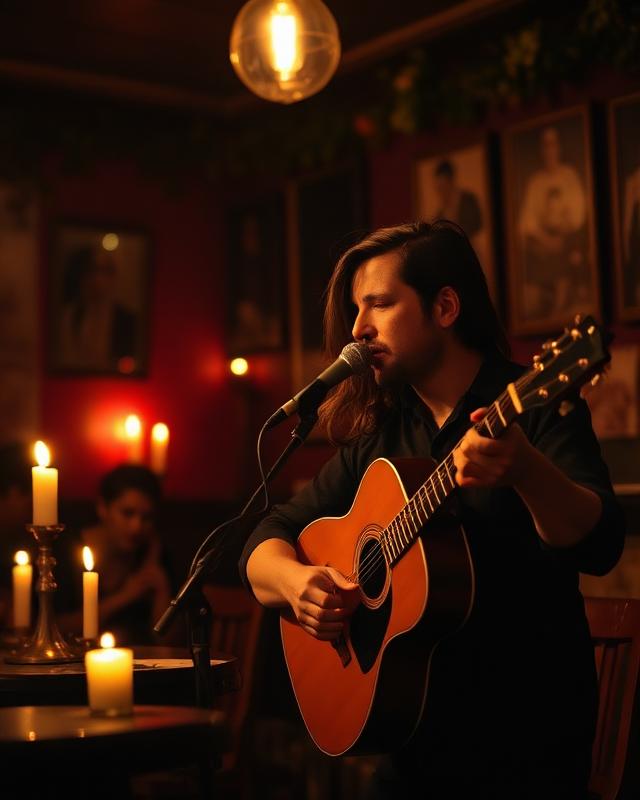
There is a word in Portuguese that doesn't quite translate: saudade. It's a deep, bittersweet longing for something or someone absent — and it is the beating heart of fado, the music born in Lisbon's working-class quarters in the early 1800s. To understand the city, spend one evening letting it wash over you.
What you're listening to
Traditional fado is spare: a single singer (the fadista), a classical guitar, and the unmistakable teardrop-shaped Portuguese guitar, with its bright, shimmering, slightly mournful ring. The songs speak of the sea, of poverty, of love and loss and the city itself. In 2011, UNESCO recognised fado as Intangible Cultural Heritage of Humanity.
Why the Alfama
The Alfama is Lisbon's oldest neighbourhood — a tangle of stepped alleys, washing lines and tiny squares that survived the 1755 earthquake. Fado grew up in streets like these, and it's still the most atmospheric place to hear it. After dark, the sound of a guitar drifting from a half-open doorway is one of travel's quiet thrills.
How to find the real thing
- Look for a casa de fado — a small fado house where dinner is served and performances run late into the night.
- Smaller is better. Intimate, low-lit rooms beat large tourist halls every time.
- Ask about fado vadio — "amateur" or vagabond fado, where locals and even the waiters take turns to sing. It's raw, unpredictable and wonderful.
- Book ahead. The good houses are tiny and fill quickly, especially at weekends.
The etiquette
This matters. When the singing starts, silence is sacred — conversation stops, phones go away, no flash photography. Lights are often dimmed to a single candle. Listen, even if you don't understand a word; the emotion carries. Applaud warmly between songs, and let the room breathe.
Make a night of it
Arrive hungry and early, wander the Alfama at dusk, climb to the Miradouro de Santa Luzia for a view over the rooftops to the river, then settle into your fado house for dinner and music. Order a bottle of red, share some petiscos, and surrender to the saudade. You'll leave understanding Lisbon a little better than when you arrived.